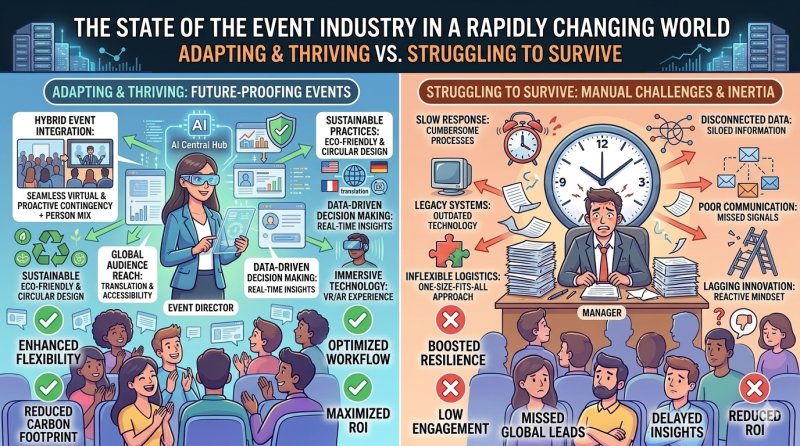
The State of the Event Industry in a Rapidly Changing World
The event industry has entered a new era. Corporate meetings, conferences, trade shows, and association gatherings are evolving faster than ever before. Audiences expect more value, more engagement, and more memorable experiences. Event planners face greater pressure to deliver measurable results while staying within tighter budgets.
At the same time, live events continue to prove their importance. Digital communication created convenience, but it also increased the need for genuine human connection. Professionals want face-to-face interaction. Teams want shared experiences. Organizations want events that strengthen culture, motivate employees, and build relationships.
The modern event industry is no longer focused only on logistics. It is now centered on experience design. Successful events create emotional moments that attendees remember long after the conference ends.
One major shift within the industry is the growing demand for interactive programming. Audiences no longer want passive presentations filled with endless slides and statistics. Attendees want participation. They want energy. They want experiences that involve them directly.
This change has influenced speaker selection, entertainment choices, and conference formats. Many organizations now look for presenters who can combine education with engagement. Humor, storytelling, audience interaction, and practical takeaways are becoming essential parts of successful conference sessions.
Another important trend is personalization. Event organizers understand that audiences are diverse. Different generations attend conferences with different expectations. Younger attendees often prefer networking opportunities, interactive technology, and shorter presentation formats. More experienced professionals may prioritize education, relationship building, and strategic insights.
As a result, event planners are creating more flexible schedules and customized experiences. Breakout sessions, workshops, networking lounges, wellness activities, and interactive keynote presentations have become common features at many events.
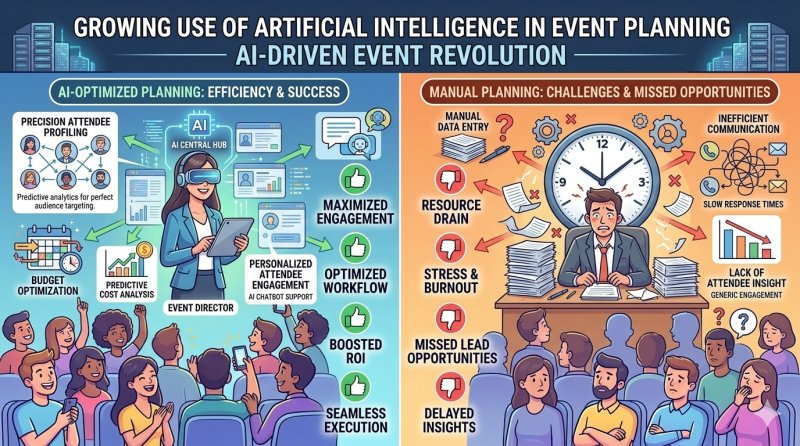
Technology also continues to shape the event industry. Event apps, artificial intelligence, live polling, digital networking tools, and mobile communication platforms have transformed how conferences operate. Technology improves efficiency while helping attendees feel more connected throughout the event.
However, technology alone does not create memorable experiences. Human connection remains the true foundation of successful events. The most effective conferences combine innovation with authentic interaction.
Budget concerns continue to influence planning decisions across the industry. Many organizations must justify event expenses more carefully than before. Executives want measurable outcomes. They want to see improved morale, stronger sales performance, better retention, and increased client engagement.
This demand for accountability has changed how event success is measured. Attendance numbers are no longer enough. Companies now analyze attendee satisfaction, engagement levels, lead generation, employee feedback, and post-event business impact.
The role of speakers has also changed significantly. A keynote speaker is no longer expected to simply deliver information. Modern audiences expect presenters to inspire action, energize attendees, and create emotional impact.
Humor has become increasingly valuable within conference programming. Laughter helps reduce stress, increase attention, and improve information retention. Conferences that include humor often create stronger audience engagement and more positive attendee experiences.
At the same time, authenticity has become more important than polished perfection. Audiences respond to speakers who feel relatable and genuine. They want stories, practical ideas, and honest communication.
Wellness and mental health have also become major priorities within the event industry. Event planners increasingly recognize the importance of reducing attendee fatigue. Many conferences now include mindfulness sessions, wellness breaks, relaxation areas, and shorter presentation blocks.
Sustainability is another growing focus. Organizations want environmentally responsible events. Digital materials, reusable signage, reduced waste, and local sourcing are becoming standard expectations at many conferences.
Hybrid events remain part of the industry as well. While live experiences continue to dominate, many organizations still use virtual components to expand audience reach. Hybrid models allow companies to include remote participants while maintaining the benefits of in-person engagement.
The future of the event industry will likely continue moving toward personalization, interaction, and emotional connection. Audiences will expect more than information. They will expect transformation.
For event planners, this creates both challenges and opportunities. The organizations that succeed will be the ones that understand the value of human experience. They will prioritize engagement over routine programming. They will choose speakers and activities that create meaningful moments.
The event industry has changed dramatically, but its core purpose remains the same. People gather to learn, connect, collaborate, and feel inspired. Technology may evolve, and audience expectations may shift, but the power of shared experiences continues to drive the industry forward.
ComedySpeaker.com — bringing you the best tips, news, and insights from the world of comedy entertainment and event planning.